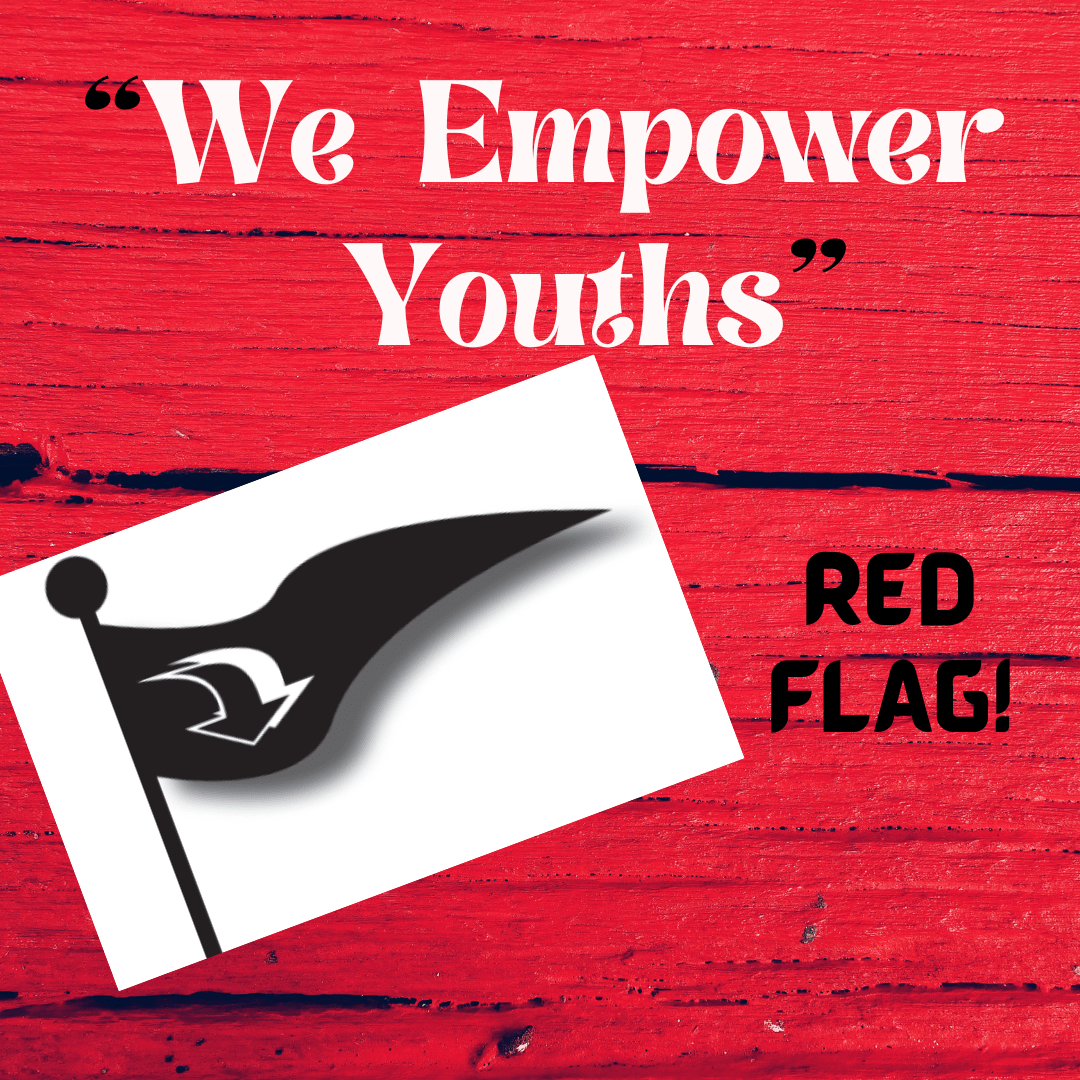
Red flags for people of all ages on how to avoid dozens of unconscious as well as intentional behaviors that can sabotage intergenerational collaboration.
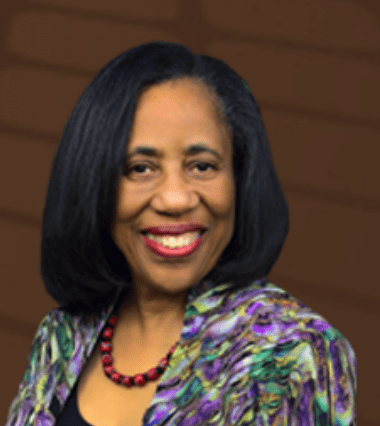
By Denise Webb, coauthor of Why Aren’t We Doing This! Collaborating with Minors in Major Ways
When I first became active in my community, I viewed myself as an extension of the adult assigned to me. Everything that I said, did, and acted upon was not my own power or agency, but it was the complete leadership, knowledge, and training that the adult had given to me. As I grew older and joined more school clubs, youth-led organizations, and grassroots efforts, I realized that my knowledge, drive, and my ability to stand up for what I knew was just – was not anchored to an adult. However, so many other youths do not make this discovery until it is too late and they become the adult perpetuating those societal beliefs of power and superiority over younger people.
This sentiment of youth power being tied to an adult is built into our systems, in our schools, and even in “youth-friendly” orgs. For over 5 years, I have had my fair share of being bombarded with blaring red flags from adults that I did not notice until it was too late. I created a handout revealing the red, yellow, and green flags that young people should look out for when searching for work, organizations to join, daily interactions, and anything in between.
Being Pursued
My most brain-stained memory of these red flags was unfortunately recent. A “youth-led” organization was created early 2023 to promote youth power across Metro Atlanta. I was told by one of their adult recruiters to apply but ignored the offer because I already had a lot on my plate. They badgered me with multiple reminders to join. I didn’t realize it at that moment, but they disregarded my schedule and other obligations in my life, suggesting repeatedly that this “youth-led” organization was perfect for me. After I went through the application and interview process, I was accepted. Around this time, I was preparing to study abroad in Costa Rica to learn about environmental sustainability. I let that be known during the interview and was promised my role would be online research.
Are You Kid-ding Me?
The next red flag I immediately noticed was the one of the adult’s language. This organization decided to meet on Zoom once a month while also doing events in person. Even though the age range was 14-22, we were all called “kids”. When introduced to prominent community members, they would say “These are my kids, just out here trying to show them how to do better for their community, ya know?” This language automatically showed their personal hierarchy which adults and young people stand on.
Dismay & Pay
After those awkward interactions with them, I set off for Costa Rica. They let me know my pay and that I would receive it towards the end of each month. All summer long I researched, created flyers, and gave them ideas to enrich the community without seeing any compensation. I emailed them and received no response. Upon returning to the U.S. in August, they told me that I was not technically an “employee” because of some missing paperwork. I was confused because they still assigned me work, and approved what I gave to them. I was missing $1,200 of pay. During this time, I realized all of the blaring red flags from before. I had wished that I heeded the warning signs and not given them the benefit of the doubt. I gathered all of the paperwork they had given me, stating my acceptance, and emails of them thanking me for my work as well as documenting zero compensation. When I presented this to all of the adults, they stopped emailing me and decided that it would be best to continue on the phone and not where a paper trail could be found. At the end of this battle, they only paid me $800 but still used my work as a way to show how well they were teaching their “kids.” This organization was one of the many that helped build up the “red flags” that all young people need to look out for.
Youths vs. Youths
Outside of my own financial and personal struggles with this organization, a bigger one started to form as the months continued. Favoritism. Despite all of the young people starting at the same time and being given the same work, a “tiered” system of youths started to creep out. During our meetings, if you had similar interests to the adults, were more inclined to agree with them, and/or were someone they viewed as valuable, they would often say “Wow you are my favorite you know that?” Yes, in front of the other youths. This created unhealthy competition and strains within the youth bubble. There was no adult ally in these spaces either. Just adults who were more concerned with pushing the agenda that youths are being “heard” around them.
Turning Red Flags Green
In our new book, Why Aren’t We Doing This! Collaborating with Minors in Major Ways, Wendy and I caution adults on how to avoid dozens of unconscious as well as intentional behaviors that can sabotage intergenerational teamwork. One of the many self-aware professionals featured in our book provides this advice.
“You have to get over your stereotypes. I’m big on language. I think the word “kids” infantilizes, especially when we talk about power. I’ve never liked the word “empower.” Who are we giving power to? Everyone has power. Young people have power. Let’s recognize the power and let’s work together.”
Robyn Bussey, Just Health Director with Partnership for Southern Equity
Harmful environments like the organization in question, will be one of the very first “youth-led” spaces where young people will be told they have power. However, saying that and contributing to adultism, decoration, tokenism, and favoritism will push hundreds of youthsout of the youth power movement. This may also cause many to question whether or not young people truly have power.
Achieving respectful and equitable working relationships demand a seismic reorientation. Regular 1:1s that provide opportunities for level-setting and candid conversations are among the critical strategies we present in our book. Frequent interactions not only increase impact but I know firsthand, can be full of joy. One green flag for adults to judge genuine intergenerational synergy is if young people feel comfortable laughing and joking with older colleagues.
Sticking Together
The reason that I have stayed with this organization throughout the hardships is because I am not afraid to push the envelope. Since I am 20 now, I believe that it is time for me to “train” myself to become an adult ally. By being able to stand up and demand structural and systematic changes to this org will benefit many youths to come despite my current discomforts. By promoting a space where youth voices are truly heard, we will be able to turn even the most blaring red flags into something with an emerald green glint.
Read more . . .
To learn more, download “What Color Are The Flags?
To buy our book, Why Aren’t We Doing This! order here.





 Youth Infusion