What Teens Teach Us + Transform Adult Thinking 

If you’re reading this, thank you for rejecting screenagers, meanagers and countless other negative stereotypes that cause most adults to summarily exclude this age group in their organizatios. Whether young people are advocating for public schools, taking on billion dollar corporations, or reshaping the way adults see the world, their points of view carry a unique influence. Here are a few illuminating podcasts that remind us of how everyone gains a wider lens when adults chart a new path of youth inclusion and commitment to intergenerational growth. 

Get Schooled

On Election Day 2024, the Kentucky Student Voice Team played a crucial role in defeating a ballot amendment that sought to divert funding from public schools to private institutions. Imagine if only lobbyists and legislators had been active in this high stakes campaign . Two students interviewed highlighted how rural schools would be severely impacted, a perspective that carries significant weight—perhaps even more than that of the teachers’ union president or the legislator featured in this KSVT mini-series.

Baltimore Teens Persist!

This unforgettable episode of Code Switch delves into the fight against the $30 billion rail company CSX. Teens describe their reliance on their younger peers to bring “new ideas” and fresh tactics to this ongoing campaign, such as leaving bags of coal on policymakers’ doorsteps. These young citizen scientists combine hard evidence about coal dust with the lived experiences of elders, many battling cancer to make their case to state policy makers. . The co-host marvels at the “mutual respect” that emerges and admits she was initially concerned about exposing these youths to “grown-up cynicism.

Why Adults Lose the ‘Beginner’s Mind’

I love “children are the R&D wing of our species” in this Ezra Klein podcast. I have experienced many aha moments when hearing a new idea that emerges from a group of teens that oxygenates my mind. Professor Alison Gopnik describes “this kind of rebirth of plasticity and flexibility in adolescence…[to] consider new kinds of social possibilities, and to take the information that they got from the people around them and say, ‘OK, given that that’s true, what’s something new that we could do? What’s something different from what we’ve done before?'”

How to Better Understand Teens

This episode on 1A flips the script by starting with insights from 15- and 16-year-olds, followed by Ellen Galinsky, author of “The Breakthrough Years.” She credits 40 teens across the U.S. as

“co-creators” who took my research in a completely different direction than if I had just looked at the literature or just talked to adults.

Galinsky quotes a 12-year-old’s advice to adults: “Listen with – when I was a child’s mind – as well as now  – I’m an adult’s mind. In other words, understand our perspective, not just your perspective.” So much can be gained by this commitment to intergenerational interdependence.

Now It’s Your Turn. Please Share Your Favorites!

Photo Credit: Partnership for Southern Equity CEO, adult and youth staff

How to Avoid Mistakes with Staff Who Work with Young People

Imagine this scenario: You’re preparing to deliver a presentation to the senior executive team or Board of Directors. You’re likely running through a practice session, making last-minute tweaks to your slides, and bracing for tough questions.

Now, picture a different audience—25 teenagers you are meeting to invite into a policy advocacy campaign. Beyond the logistical headaches, your attention shifts to designing the opening minutes to set everyone at ease and introducing the issue in a captivating way. Then comes the carefully planned yet flexible choreography of interactive activities, culminating in actionable next steps. Ideally, you would  co-facilitate with a young person, dedicating ample preparation time to create a participatory atmosphere with the right balance of content and hands-on action.

Unlike a pitch to your colleagues, where even lukewarm reactions are manageable, presenting to teenagers can feel like performing as a comedian whose jokes fall flat.

As Crystal Oceja with Bridges USA and Stand for Children Tennessee explains:

“The adults approach you with no authoritative energy. They are very open. They are cool. They check in. They don’t force you to do anything.”

Skills Learned + Earned

Most professionals—especially policy experts—rarely interact with young people in their workplace. This disconnect often prevents them from fully appreciating the skills required to engage with youths. This gap in understanding extends to teachers, school counselors, social workers, YA librarians, and others. With over 70 million people under 18 in the U.S., only about 2.5 million individuals hold specialized degrees in youth work from higher education institutions.

The skills needed to work with young people are unique, distinct from those of parents or authority figures. Building trust and rapport at the initial make-or-break stage is crucial. It often requires embracing radical ideas and patiently discussing proposed programs, services, legislation—even those proven ineffective. One invaluable skill among these staff is what I call “a third ear.” This heightened listening skill goes beyond hearing, delving into curiosity and imagination, encouraging even the most timid young people to open up and share. It’s rare for such open dialogue to happen naturally, especially in intergenerational settings. One test is when young people laugh and joke alongside adults decades their senior, erasing hierarchical barriers.

Take Carolyn Cox, who runs  a Medicaid-supported program in Washington that trains and pays young people to become certified peer counselors. One Board member aptly describes her unique talent:

“Carolyn creates this aura because young people know she really lets them be themselves, lets them feel, and lets them speak.”

Working with teenagers—whose primary job is school and who often juggle family responsibilities—requires artful agility. Consider a 16-year-old managing health issues while preparing for an interview with a reporter. The pressure of deadlines and anxiety might make them want to quit. Supporting them through such challenges takes patience, empathy, and flexibility.

How Not to Undermine These Specialists

One of the most challenging aspects of this work is the lack of appreciation and respect from colleagues and/or executives. I recall a senior writer at a major magazine once commenting that I looked like a camp counselor because of my neon orange t-shirt, which featured a design created by a 17-year-old for our nonprofit’s national (victorious) grassroots campaign. This dismissive remark stung, reflecting the pervasive attitude that do not value those who collaborate in the new level of co-piloting with teens. 

Just as professionals must go the extra mile to gain the trust of young people, senior leaders should invest effort in understanding and recognizing the adults who work with them.

Plates are spinning in dozens of directions. For example, multiple campaigns involving hundreds of teens with the Kentucky Student Voice Team, which boasts impressive achievements in data analysis and policy advocacy. It’s co-founder and managing director Rachel Belin emphasizes that their co-designed work is “an art, not a science” and carries a “mental load” magnified by the actual and perceived legal liabilities of working with minors.

To recognize and respect these professionals, organizations can adopt intentional strategies, including

  • Allow flexible schedules to accommodate late afternoon and evening meetings, trainings, one-on-ones as well as weekend activities;
  • Assign a senior level staff person to act as a consistent liaison for those working directly with young people;
  • Seek technical assistance to help HR develop protocols for working with minors;
  • Include these employees who typically are low-level or junior staff in decision-making processes, validating their roles rather than sidelining them;
  • Consult these staff on how, not if, young people can be integrated into more organizational operations;
  • Ensure fair compensation for these youth specialists to reduce turnover and maintain the trust built with the youth cohort;
  • Encourage ongoing professional development through trainings, conferences, and networking opportunities that will help make youth representation the norm in nonprofits and government agencies. 

Share Your Experiences + More Info

Photo Credit:  UP for Learning

Youths Are Not Adults’ Sidekicks 

Red flags for people of all ages on how to avoid dozens of unconscious as well as intentional behaviors that can sabotage intergenerational collaboration.

By Denise Webb, coauthor of Why Aren’t We Doing This! Collaborating with Minors in Major Ways

When I first became active in my community, I viewed myself as an extension of the adult assigned to me. Everything that I said, did, and acted upon was not my own power or agency, but it was the complete leadership, knowledge, and training that the adult had given to me. As I grew older and joined more school clubs, youth-led organizations, and grassroots efforts, I realized that my knowledge, drive, and my ability to stand up for what I knew was just – was not anchored to an adult.  However, so many other youths do not make this discovery until it is too late and they become the adult perpetuating those societal beliefs of power and superiority over younger people.

This sentiment of youth power being tied to an adult is built into our systems, in our schools, and even in “youth-friendly” orgs.  For over 5 years, I have had my fair share of being bombarded with blaring red flags from adults that I did not notice until it was too late. I created a handout revealing the red, yellow, and green flags that young people should look out for when searching for work, organizations to join, daily interactions, and anything in between.

Being Pursued

My most brain-stained memory of these red flags was unfortunately recent. A “youth-led” organization was created early 2023 to promote youth power across Metro Atlanta. I was told by one of their adult recruiters to apply but ignored the offer because I already had a lot on my plate.   They badgered me with multiple reminders to join. I didn’t realize it at that moment, but they disregarded my schedule and other obligations in my life, suggesting repeatedly that this “youth-led” organization was perfect for me. After I went through the application and interview process, I was accepted. Around this time, I was preparing to study abroad in Costa Rica to learn about environmental sustainability. I let that be known during the interview and was promised my role would be online research. 

Are You Kid-ding Me?

The next red flag I immediately noticed was the one of the adult’s language. This organization decided to meet on Zoom once a month while also doing events in person. Even though the age range was 14-22, we were all called “kids”. When introduced to prominent community members, they would say “These are my kids, just out here trying to show them how to do better for their community, ya know?” This language automatically showed their personal hierarchy which adults and young people stand on. 

Dismay & Pay

After those awkward interactions with them, I set off for Costa Rica. They let me know my pay  and that I would receive it towards the end of each month. All summer long I researched, created flyers, and gave them ideas to enrich the community without seeing any compensation.  I emailed them and received no response. Upon returning  to the U.S. in August, they told me that I was not technically an “employee” because of some missing paperwork. I was confused because they still assigned me work, and approved what I gave to them. I was missing $1,200 of pay. During this time, I realized all of the blaring red flags from before. I had wished that I heeded the warning signs and not given them the benefit of the doubt. I gathered all of the paperwork they had given me, stating my acceptance, and emails of them thanking me for my work as well as documenting zero compensation. When I presented this to all of the adults, they stopped emailing me and decided that it would be best to continue on the phone and not where a paper trail could be found. At the end of this battle, they only paid me $800 but still used my work as a way to show how well they were teaching their “kids.” This organization was one of the many that helped build up the “red flags” that all young people need to look out for. 

Youths vs. Youths

Outside of my own financial and personal struggles with this organization, a bigger one started to form as the months continued. Favoritism. Despite all of the young people starting at the same time and being given the same work, a “tiered” system of youths started to creep out. During our meetings, if you had similar interests to the adults, were more inclined to agree with them, and/or were someone they viewed as valuable, they would often say “Wow you are my favorite you know that?” Yes,  in front of the other youths. This created unhealthy competition and strains within the youth bubble. There was no adult ally in these spaces either. Just adults who were more concerned with pushing the agenda that youths are being “heard” around them. 

Turning Red Flags Green

In our new book, Why Aren’t We Doing This! Collaborating with Minors in Major Ways, Wendy and I caution adults on how to avoid dozens of unconscious as well as intentional behaviors that can sabotage intergenerational teamwork.  One of the many self-aware professionals featured in our book provides this advice. 

“You have to get over your stereotypes. I’m big on language. I think the word “kids” infantilizes, especially when we talk about power. I’ve never liked the word “empower.” Who are we giving power to? Everyone has power. Young people have power. Let’s recognize the power and let’s work together.” 

Robyn Bussey, Just Health Director with Partnership for Southern Equity

Harmful environments like the organization in question, will be one of the very first “youth-led” spaces where young people will be told they have power. However, saying that and contributing to adultism, decoration, tokenism, and favoritism will push hundreds of youthsout of the youth power movement. This may also cause many to question whether or not young people truly have power. 

Achieving respectful and equitable working relationships demand a seismic reorientation.  Regular 1:1s that provide opportunities for level-setting and candid conversations are among the critical strategies we present in our book. Frequent interactions not only increase impact but  I know firsthand, can be full of joy. One green flag for adults to judge genuine intergenerational synergy is if young people feel comfortable laughing and joking with older colleagues.  

Sticking Together

The reason that I have stayed with this organization throughout the hardships is because I am not afraid to push the envelope. Since I am 20 now, I believe that it is time for me to “train” myself  to become an adult ally. By being able to stand up and demand structural and systematic changes to this org will benefit many youths to come despite my current discomforts. By promoting a space where youth voices are truly heard, we will be able to turn even the most blaring red flags into something with an emerald green glint.

Read more . . .

To learn more, download “What Color Are The Flags?

To buy our book, Why Aren’t We Doing This! order here.

Our Invite to “Collab”!

“Collab” is one of the most popular words  of post-Millennials, according to  the authors of  Generation Z, Explained: The Art of Living in a Digital Age 

While now it’s collab, I have two decades experience with its ancestor, collaborating, and with teens, or minors – those 17 years and 364 days and under. The rich experiences and major triumphs I attribute to these teen partnerships continually fuel my personal growth and commitment for radical youth infusion. When I reflect on these mutual mentoring experiences, I am reminded how much I still have to learn. The uniqueness of each experience, the singular nature of every youth-adult partnership, make for a varied and exciting pathway toward impactful interGEN interdependence.

My latest collaboration started in 2021 as a conversation and grew into a book, the Youth Infusion Hub and a deep collaboration with a remakable teen –  Denise Webb.

She is one of two dozen teens who work in different capacities with adult-run organizations, and my research at the time sought to gain insights about the good, the bad and the ugly. A few emails and Zooms and Denise and I realized that our bigger philosophies met in a shared vision for our future where teens contribute meaningfully to organizations large and small. We had the opportunity to examine and apply the ins and outs of interGEN collaboration ourselves as we documented ways organizations are collaborating with minors in major ways, and how it can be done in any organization. This project that became Why Aren’t We Doing This! Collaborating with Minors in Major Ways showcases Denise’s insights and her remarkable ability to meet deadlines between classes and a long list of other commitments and responsibilities.  

We hope the stories, quotes and strategies we present will spark every group of people to look around and recognize that without youths, something is missing — irreplaceable insights, intelligence, intuition and the ideas of young generations. 

We provide reasons why, techniques how, and commitments to supporting youth infusion. Nineteen year-old Denise invites everyone to consider opening their mind and inviting teens to be key and critical partners:

“Let us build and revise systems that have torn you, me and the people before us down. Join us. Have us on your team.”

Our book is the starting point. To boost momentum, we created a Hub and provide resources for infosharing. Now more than ever, we need you, regardless of age or position.

We invite you to . . .

  • Tell us what topics from our book you want expanded on or suggest new angles of interGEN collab 
  • Submit a guest blog to wendy@youthinfusion.org 
  • Check out our cadre of interGEN collaborators 
  • Sign up for our biweekly updates with tactical tips and that feature the innovations of others
  • Participate in the Youth Infusion Hub to grow and enrich our interGEN knowledgebase and support the community by sharing your lived experiences and expertise.

Together we can work as a team. When we exchange different approaches to youth infusion, individuals and institutions all benefit!

Courtroom interGEN Camaraderie

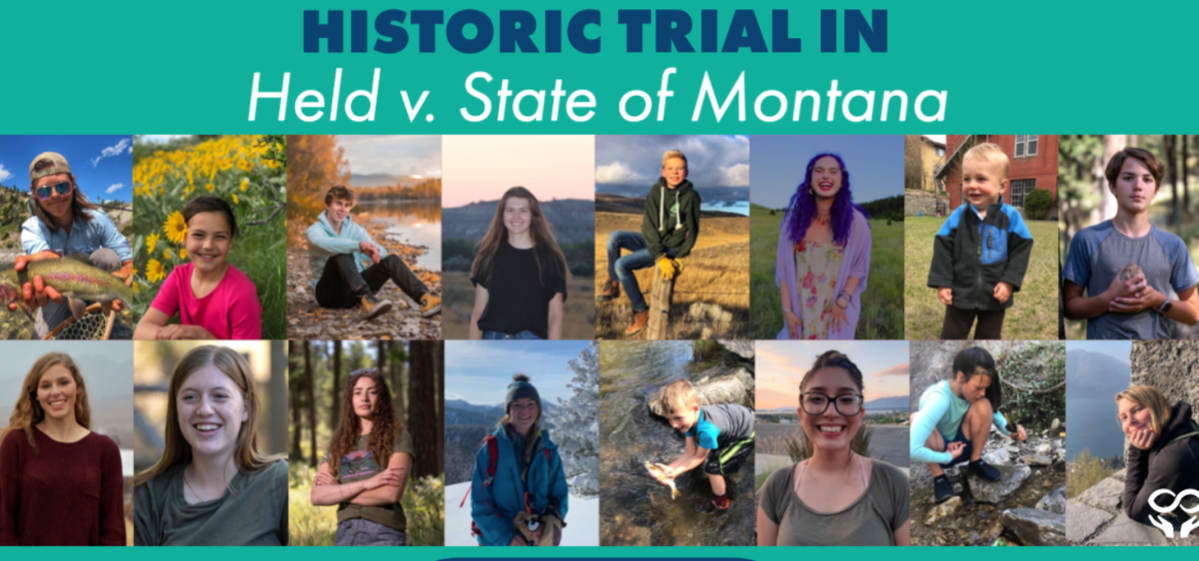
How often does a lawsuit with 16 plaintiffs  between the ages of 5 to 22 get noticed?  News outlets from CNN to the front page of The Washington Post signal the historic nature of a  trial centering on the climate crisis. The ruling prioritizes a child-first orientation and human rights obligation reflecting the Constitution of the State of Montana that “The state and each person shall maintain and improve a clean and healthful environment in Montana for present and future generations”. 

U.S. District Court Judge Kathy Seeley in her 103-page decision found that

“young Montana residents have experienced past and ongoing injuries resulting from the State’s failure to consider [greenhouse gas emissions] and climate change, including injuries to their physical and mental health, homes and property, recreational, spiritual, and aesthetic interests, tribal and cultural traditions, economic security, and happiness.”

If upheld by the Montana Supreme Court, it will reverse a recently passed state law that prohibits state agencies from considering the impact of global warming and pollution during the permit process for fossil fuel projects.

Eva, one of the plaintiffs, says

 “I’m so speechless right now. I’m really just excited and elated and thrilled. I cannot believe the ruling. I’m just so relieved. I feel so grateful to have worked with every single person who has been involved in this. Everybody from Our Children’s Trust is just amazing. They’re all so wonderful. And I have so much love and appreciation for the other youth plaintiffs because they’re just so fantastic and such wonderful people. And we together have done this amazing thing and it’s just so wonderful.”

The camaraderie evident between the attorneys and other young plaintiffs also  is happening now in Hawaii, Utah, Virginia and other states. This rare courtroom collaboration is captured in the superb Youth v. Gov documentary about the pending Federal youth-led lawsuit. Check out of our blog from a year ago that highlights two candid moments in the film which showcase genuine intergenerational interdependence. These clips will make your heart sing!

Learn more: 

Do You Have These 10 Critical Character Traits?

Building a collegial partnership with teens is altogether different from the traditional power dynamics so common with a parent, educator, or authority figure.

When introducing the concept of infusing teens into various organizational operations, the flood of reactions from most adults is predictably negative. 

My nephew is obsessed with online gaming. 

My friend’s 16-year-old daughter is so lazy and clueless. 

These kids don’t want to have anything to do with us. 

This crime wave . . . I’m scared of them. 

Adults must take off their hat as a parent, aunt, educator or other authority figure to see each young person as an individual. To unlock the minds of the rising generation to imagine a better society, analyze problems, and develop strategies to pursue real change together, the responsibility rests with adults to demonstrate authentic respect and build genuine rapport. A collegial partnership is altogether different from the power dynamics so common with a mom or dad, teacher or principal, etc. 

  Encourage us. Build on our ideas. That gives us the confidence we need.  – Melissa K.

Essential Soft Skills for Sustained Collaboration

  1. Optimist – Hold onto hope as the antidote to cynicism
  2. Listener – Develop a “Third Ear” to be open to new thinking
  3. Learner – Keep your imagination faucet open
  4. Advocate – Share your own pragmatic idealism 
  5. Communicator – Text or talk 1:1 outside of meetings 
  6. Comedian – Joke and laugh
  7. Infomaniac – Explain relevant organizational efforts and future plans
  8. Choreographer – Connect teens with other staff and organizations
  9. Honest Broker – Establish feedback loops to respond to ideas
  10. Catalyst – Implement proposals as quickly as possible to show change happens

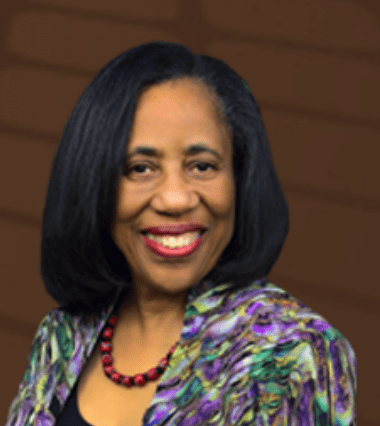
The passing of my very dear friend and wonderful colleague inspired this list of character traits. Pat Moore Harbour, PhD possessed them all. She served as the catalyst for my involvement with one of the Kettering Foundation’s Research Learning Exchanges that builds off her book, Community Educators: A Resource for Educating and Developing Our Youth

Contagious Curiosity

Given my dogmatic and persistent nature, I challenge the prevailing mindset of adults doing “to” and “for” youth. Pat and I had dozens of conversations where she showed such respect and curiosity about my approach that young people be recognized as wise community educators, influencing their peers as well as adults and the community at large. Instead of viewing youth as “under construction,” we often talked about our kinship with older colleagues who are committed to anti-ageist multi-racial collaboration. 

When discussing the concept of youth infusion – especially those under age 18 – in adult-run nonprofits and government agencies, Pat always was intrigued and honest. Her sense of possibility led her to emphasize the role of young people as “co-producers.” She embraced collaboration “with” youth – the key preposition and title of the recent book by David Mathews, founder of the Kettering Foundation (read more about WITH  here).

I was eager to discuss with Pat these two studies that conclude most adults lack her curiosity and interest in intergenerational interdependence. She would have shared her contagious optimistic outlook. 

Every conversation with Pat was a joy. Children laugh 300 times a day and the average for adults drops to only 15. She had me laughing and rethinking all the time.

Many of my closest friends and colleagues are not open to this concept of engaging with teens as genuine thought partners but I will not give up because of Pat’s spirit that will endure. How fortunate I am to carry Pat in my head and heart!

Photo credit: Dr. Pat Moore Harbour