What Teens Teach Us + Transform Adult Thinking 

If you’re reading this, thank you for rejecting screenagers, meanagers and countless other negative stereotypes that cause most adults to summarily exclude this age group in their organizatios. Whether young people are advocating for public schools, taking on billion dollar corporations, or reshaping the way adults see the world, their points of view carry a unique influence. Here are a few illuminating podcasts that remind us of how everyone gains a wider lens when adults chart a new path of youth inclusion and commitment to intergenerational growth. 

Get Schooled

On Election Day 2024, the Kentucky Student Voice Team played a crucial role in defeating a ballot amendment that sought to divert funding from public schools to private institutions. Imagine if only lobbyists and legislators had been active in this high stakes campaign . Two students interviewed highlighted how rural schools would be severely impacted, a perspective that carries significant weight—perhaps even more than that of the teachers’ union president or the legislator featured in this KSVT mini-series.

Baltimore Teens Persist!

This unforgettable episode of Code Switch delves into the fight against the $30 billion rail company CSX. Teens describe their reliance on their younger peers to bring “new ideas” and fresh tactics to this ongoing campaign, such as leaving bags of coal on policymakers’ doorsteps. These young citizen scientists combine hard evidence about coal dust with the lived experiences of elders, many battling cancer to make their case to state policy makers. . The co-host marvels at the “mutual respect” that emerges and admits she was initially concerned about exposing these youths to “grown-up cynicism.

Why Adults Lose the ‘Beginner’s Mind’

I love “children are the R&D wing of our species” in this Ezra Klein podcast. I have experienced many aha moments when hearing a new idea that emerges from a group of teens that oxygenates my mind. Professor Alison Gopnik describes “this kind of rebirth of plasticity and flexibility in adolescence…[to] consider new kinds of social possibilities, and to take the information that they got from the people around them and say, ‘OK, given that that’s true, what’s something new that we could do? What’s something different from what we’ve done before?'”

How to Better Understand Teens

This episode on 1A flips the script by starting with insights from 15- and 16-year-olds, followed by Ellen Galinsky, author of “The Breakthrough Years.” She credits 40 teens across the U.S. as

“co-creators” who took my research in a completely different direction than if I had just looked at the literature or just talked to adults.

Galinsky quotes a 12-year-old’s advice to adults: “Listen with – when I was a child’s mind – as well as now  – I’m an adult’s mind. In other words, understand our perspective, not just your perspective.” So much can be gained by this commitment to intergenerational interdependence.

Now It’s Your Turn. Please Share Your Favorites!

Photo Credit: Partnership for Southern Equity CEO, adult and youth staff

How to Avoid Mistakes with Staff Who Work with Young People

Imagine this scenario: You’re preparing to deliver a presentation to the senior executive team or Board of Directors. You’re likely running through a practice session, making last-minute tweaks to your slides, and bracing for tough questions.

Now, picture a different audience—25 teenagers you are meeting to invite into a policy advocacy campaign. Beyond the logistical headaches, your attention shifts to designing the opening minutes to set everyone at ease and introducing the issue in a captivating way. Then comes the carefully planned yet flexible choreography of interactive activities, culminating in actionable next steps. Ideally, you would  co-facilitate with a young person, dedicating ample preparation time to create a participatory atmosphere with the right balance of content and hands-on action.

Unlike a pitch to your colleagues, where even lukewarm reactions are manageable, presenting to teenagers can feel like performing as a comedian whose jokes fall flat.

As Crystal Oceja with Bridges USA and Stand for Children Tennessee explains:

“The adults approach you with no authoritative energy. They are very open. They are cool. They check in. They don’t force you to do anything.”

Skills Learned + Earned

Most professionals—especially policy experts—rarely interact with young people in their workplace. This disconnect often prevents them from fully appreciating the skills required to engage with youths. This gap in understanding extends to teachers, school counselors, social workers, YA librarians, and others. With over 70 million people under 18 in the U.S., only about 2.5 million individuals hold specialized degrees in youth work from higher education institutions.

The skills needed to work with young people are unique, distinct from those of parents or authority figures. Building trust and rapport at the initial make-or-break stage is crucial. It often requires embracing radical ideas and patiently discussing proposed programs, services, legislation—even those proven ineffective. One invaluable skill among these staff is what I call “a third ear.” This heightened listening skill goes beyond hearing, delving into curiosity and imagination, encouraging even the most timid young people to open up and share. It’s rare for such open dialogue to happen naturally, especially in intergenerational settings. One test is when young people laugh and joke alongside adults decades their senior, erasing hierarchical barriers.

Take Carolyn Cox, who runs  a Medicaid-supported program in Washington that trains and pays young people to become certified peer counselors. One Board member aptly describes her unique talent:

“Carolyn creates this aura because young people know she really lets them be themselves, lets them feel, and lets them speak.”

Working with teenagers—whose primary job is school and who often juggle family responsibilities—requires artful agility. Consider a 16-year-old managing health issues while preparing for an interview with a reporter. The pressure of deadlines and anxiety might make them want to quit. Supporting them through such challenges takes patience, empathy, and flexibility.

How Not to Undermine These Specialists

One of the most challenging aspects of this work is the lack of appreciation and respect from colleagues and/or executives. I recall a senior writer at a major magazine once commenting that I looked like a camp counselor because of my neon orange t-shirt, which featured a design created by a 17-year-old for our nonprofit’s national (victorious) grassroots campaign. This dismissive remark stung, reflecting the pervasive attitude that do not value those who collaborate in the new level of co-piloting with teens. 

Just as professionals must go the extra mile to gain the trust of young people, senior leaders should invest effort in understanding and recognizing the adults who work with them.

Plates are spinning in dozens of directions. For example, multiple campaigns involving hundreds of teens with the Kentucky Student Voice Team, which boasts impressive achievements in data analysis and policy advocacy. It’s co-founder and managing director Rachel Belin emphasizes that their co-designed work is “an art, not a science” and carries a “mental load” magnified by the actual and perceived legal liabilities of working with minors.

To recognize and respect these professionals, organizations can adopt intentional strategies, including

  • Allow flexible schedules to accommodate late afternoon and evening meetings, trainings, one-on-ones as well as weekend activities;
  • Assign a senior level staff person to act as a consistent liaison for those working directly with young people;
  • Seek technical assistance to help HR develop protocols for working with minors;
  • Include these employees who typically are low-level or junior staff in decision-making processes, validating their roles rather than sidelining them;
  • Consult these staff on how, not if, young people can be integrated into more organizational operations;
  • Ensure fair compensation for these youth specialists to reduce turnover and maintain the trust built with the youth cohort;
  • Encourage ongoing professional development through trainings, conferences, and networking opportunities that will help make youth representation the norm in nonprofits and government agencies. 

Share Your Experiences + More Info

Photo Credit:  UP for Learning

Youths Are Not Adults’ Sidekicks 

Red flags for people of all ages on how to avoid dozens of unconscious as well as intentional behaviors that can sabotage intergenerational collaboration.

By Denise Webb, coauthor of Why Aren’t We Doing This! Collaborating with Minors in Major Ways

When I first became active in my community, I viewed myself as an extension of the adult assigned to me. Everything that I said, did, and acted upon was not my own power or agency, but it was the complete leadership, knowledge, and training that the adult had given to me. As I grew older and joined more school clubs, youth-led organizations, and grassroots efforts, I realized that my knowledge, drive, and my ability to stand up for what I knew was just – was not anchored to an adult.  However, so many other youths do not make this discovery until it is too late and they become the adult perpetuating those societal beliefs of power and superiority over younger people.

This sentiment of youth power being tied to an adult is built into our systems, in our schools, and even in “youth-friendly” orgs.  For over 5 years, I have had my fair share of being bombarded with blaring red flags from adults that I did not notice until it was too late. I created a handout revealing the red, yellow, and green flags that young people should look out for when searching for work, organizations to join, daily interactions, and anything in between.

Being Pursued

My most brain-stained memory of these red flags was unfortunately recent. A “youth-led” organization was created early 2023 to promote youth power across Metro Atlanta. I was told by one of their adult recruiters to apply but ignored the offer because I already had a lot on my plate.   They badgered me with multiple reminders to join. I didn’t realize it at that moment, but they disregarded my schedule and other obligations in my life, suggesting repeatedly that this “youth-led” organization was perfect for me. After I went through the application and interview process, I was accepted. Around this time, I was preparing to study abroad in Costa Rica to learn about environmental sustainability. I let that be known during the interview and was promised my role would be online research. 

Are You Kid-ding Me?

The next red flag I immediately noticed was the one of the adult’s language. This organization decided to meet on Zoom once a month while also doing events in person. Even though the age range was 14-22, we were all called “kids”. When introduced to prominent community members, they would say “These are my kids, just out here trying to show them how to do better for their community, ya know?” This language automatically showed their personal hierarchy which adults and young people stand on. 

Dismay & Pay

After those awkward interactions with them, I set off for Costa Rica. They let me know my pay  and that I would receive it towards the end of each month. All summer long I researched, created flyers, and gave them ideas to enrich the community without seeing any compensation.  I emailed them and received no response. Upon returning  to the U.S. in August, they told me that I was not technically an “employee” because of some missing paperwork. I was confused because they still assigned me work, and approved what I gave to them. I was missing $1,200 of pay. During this time, I realized all of the blaring red flags from before. I had wished that I heeded the warning signs and not given them the benefit of the doubt. I gathered all of the paperwork they had given me, stating my acceptance, and emails of them thanking me for my work as well as documenting zero compensation. When I presented this to all of the adults, they stopped emailing me and decided that it would be best to continue on the phone and not where a paper trail could be found. At the end of this battle, they only paid me $800 but still used my work as a way to show how well they were teaching their “kids.” This organization was one of the many that helped build up the “red flags” that all young people need to look out for. 

Youths vs. Youths

Outside of my own financial and personal struggles with this organization, a bigger one started to form as the months continued. Favoritism. Despite all of the young people starting at the same time and being given the same work, a “tiered” system of youths started to creep out. During our meetings, if you had similar interests to the adults, were more inclined to agree with them, and/or were someone they viewed as valuable, they would often say “Wow you are my favorite you know that?” Yes,  in front of the other youths. This created unhealthy competition and strains within the youth bubble. There was no adult ally in these spaces either. Just adults who were more concerned with pushing the agenda that youths are being “heard” around them. 

Turning Red Flags Green

In our new book, Why Aren’t We Doing This! Collaborating with Minors in Major Ways, Wendy and I caution adults on how to avoid dozens of unconscious as well as intentional behaviors that can sabotage intergenerational teamwork.  One of the many self-aware professionals featured in our book provides this advice. 

“You have to get over your stereotypes. I’m big on language. I think the word “kids” infantilizes, especially when we talk about power. I’ve never liked the word “empower.” Who are we giving power to? Everyone has power. Young people have power. Let’s recognize the power and let’s work together.” 

Robyn Bussey, Just Health Director with Partnership for Southern Equity

Harmful environments like the organization in question, will be one of the very first “youth-led” spaces where young people will be told they have power. However, saying that and contributing to adultism, decoration, tokenism, and favoritism will push hundreds of youthsout of the youth power movement. This may also cause many to question whether or not young people truly have power. 

Achieving respectful and equitable working relationships demand a seismic reorientation.  Regular 1:1s that provide opportunities for level-setting and candid conversations are among the critical strategies we present in our book. Frequent interactions not only increase impact but  I know firsthand, can be full of joy. One green flag for adults to judge genuine intergenerational synergy is if young people feel comfortable laughing and joking with older colleagues.  

Sticking Together

The reason that I have stayed with this organization throughout the hardships is because I am not afraid to push the envelope. Since I am 20 now, I believe that it is time for me to “train” myself  to become an adult ally. By being able to stand up and demand structural and systematic changes to this org will benefit many youths to come despite my current discomforts. By promoting a space where youth voices are truly heard, we will be able to turn even the most blaring red flags into something with an emerald green glint.

Read more . . .

To learn more, download “What Color Are The Flags?

To buy our book, Why Aren’t We Doing This! order here.

Boost Your Org’s Talent Pool

Two film clips will challenge your thinking about the impact of intergenerational teamwork!

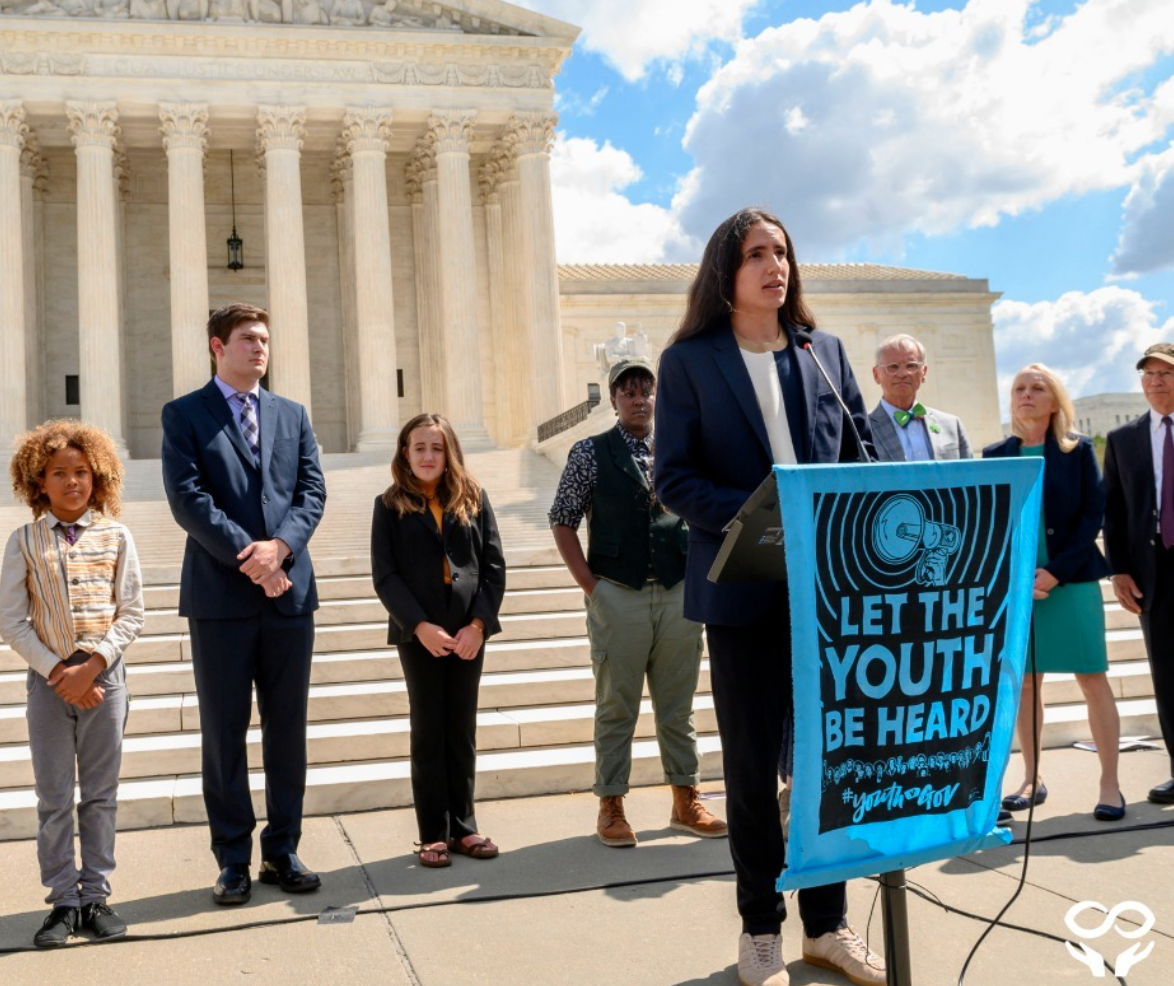
Xiuhtezcatl Martinez was in his mid-teens when his speech in Washington, DC to protest construction of the Keystone Pipeline XL captivated my attention. Now age 21, he has built his own leadership pipeline, as youth director of Earth Guardians and acclaimed hip hop artist. It is no surprise this multi-talented activist is one of the youth plaintiffs in a landmark climate lawsuit.

This pending case claims the federal government’s actions “violated the youngest generation’s constitutional rights to life, liberty and property, as well as failed to protect essential public trust resources.”

This is a trailer for Youth v Gov, a documentary on Netflix.

In the new documentary Youth v Gov on Netflix, you will meet 20 other plaintiffs who joined this case back in 2018. Each individual has gained a repertoire of talents, for example, the youngest plaintiff Levi, now 14, appeared on 60 Minutes

Many teens get involved trying ‘to right a wrong’ as very young children. Many start volunteering in their community or do a service-learning project which can lead to what I describe as the pistachio nut habit: once you get a taste for activism, you want to do more.

Idealism and impatience — traits that fade with age — lead young people to test dozens of ways to recruit diverse allies, promote their cause, build coalitions, present effective testimony to elected officials, etc. Real world hands-on learning is remarkable and fast.

Truly a Win-Win

Civic spark plugs like Xiuhtezcatl Martinez (pictured above at the podium outside the US Supreme Court) have mind-boggling skills. But each of the other plaintiffs contribute unique talents that accrue at a phenomenal clip. Each experience, including legal setbacks, fuels new learning and strategic thinking that benefit the cause.

The impact of intergenerational interdependence on older people deserves more attention. Youth v Gov reveals how younger minds oxygenate and augment adult-run organizations. Watch these two short clips from the documentary.  

  • Can you imagine this level of intergenerational camaraderie at a future retreat of your organization? (Cue to 10:30 – 13:26)
  • Can you visualize the senior leadership team being so energized by their collaboration with a solid cadre of young colleagues? (Cue to 1:27:39 – 1:28:18) 

No Attrition or Burnout

One common concern is that it’s not worth collaborating with young people because they will move on within a few months. Often the opposite is true. Genuine respect, authentic collaboration, and new dynamic opportunities increase the odds for long-term commitment.

It’s been seven years since filing Juliana v. United States by Our Children’s Trust. The staying power of these 21 plaintiffs persists. Adversity often strengthens resolve.

Recently the four plaintiffs from Florida initiated a statewide petition for renewable energy that resulted in a proposed regulation that was announced last month at a news conference with two of these activists. Many of these individuals are building their own leadership pipelines that will last a lifetime.

UPDATE West Virginia v. EPA decision:

Our Children’s Trust issued a news release on 6/30/22 that the US Supreme Court’s ruling to limit the Environmental Protection Agency regulatory authority over carbon dioxide pollution does not affect its federal or state youth-led climate lawsuits.

If anything, today’s ruling further demonstrates how important these children’s constitutional climate lawsuits are to address the deadly effects of our government-sanctioned fossil fuel-based energy system.

Photo Credit: Our Children’s Trust

Please share your thoughts and also let us know how your organization is infusing the youngest generations in its work. Call 301-785-1702 or contact us!

You Might Like…

Elsewhere Online

10 Reasons to Work with Young Researchers to Generate Solid Data

This survey and analytical process provide a stellar example why young people are needed to help evaluate existing programs as well as shape policy deliberations and decisions.

Post-millennials, who never have operated in a world without the internet, are pros at using an array of social media platforms. Less recognized is that many are adept with various online options that promote collaboration. It is second nature for many Gen Zers to use Google Docs, Slack, Zoom, etc.

One skill-set boosted by these digital tools is Youth Participatory Action Research (YPAR). It is no longer rare to see sophisticated data collection, analysis, and recommendations generated by this youth-led process. One driver of this trend is young people – especially minors –who know this advocacy strategy improves the odds that they will be taken seriously by the powers-that-be. 

Organizations, coalitions, and think tanks could benefit enormously by incorporating a YPAR strategy. Here are just a few reasons and the first one is the most valuable.

10 Reasons for YPAR

  1. To produce data that reveal potentially more honest responses from the most diverse generation ever; 
  2. To augment the expertise of professional researchers;
  3. To rethink typical survey questions and refine the language; 
  4. To deepen the qualitative and quantitative research skills of everyone involved;
  5. To use innovative dissemination strategies to reach target constituencies;
  6. To gather pertinent data to evaluate the effectiveness of programs, reassess priorities, and develop new initiatives; 
  7. To use data to strengthen the overall work and impact of your organization;
  8. To garner attention from the news media and policymakers;
  9. To save money since most employees and many consultants cost more than part-time young researchers; and
  10. To infuse young people – often the primary stakeholders – into the heart of your organization for the benefit of everyone

Formidable Skills Produce Pertinent Data

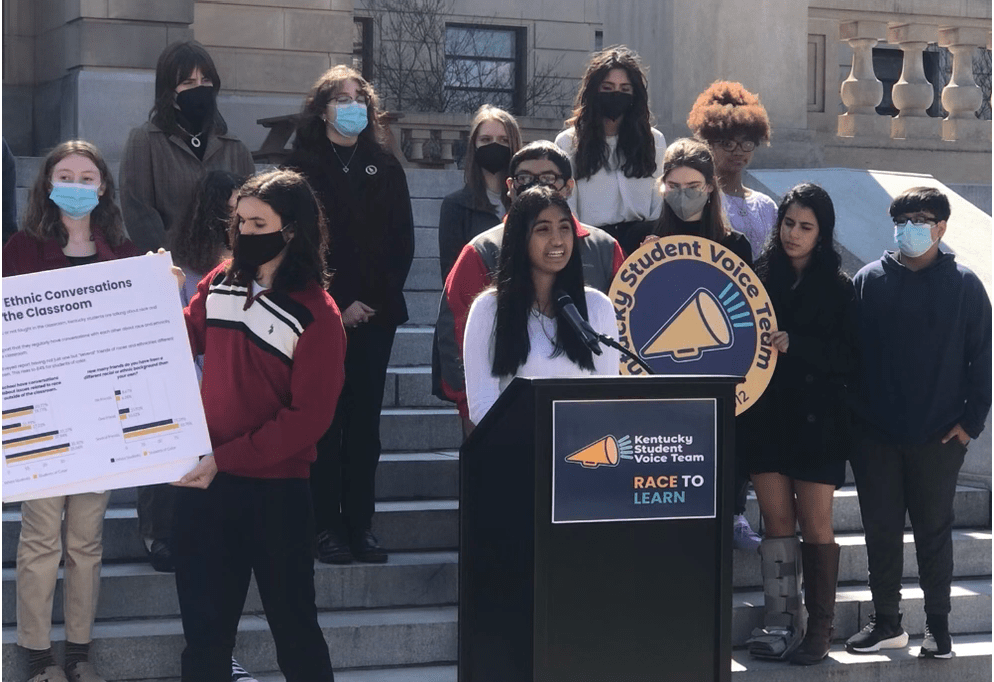
A first class example is Race to Learn by the Kentucky Student Voice Team (KSVT) based on 10,725 responses from 114 of Kentucky’s 120 counties. It was released during debate on state legislation to curb what is taught about race and ethnicity in the classrooms. 

Two excerpts reveal the integrity of their methodology, including an intentional strategy to include the most underrepresented students.

We designed our methods in consultation with our “Research Advisory Dream Team,” a group of adult allies with expertise in youth participatory action research (YPAR). We generated and refined our survey tool over the course of both asynchronous and synchronous sessions soon after the start of the 2021- 22 school year, and we did so in consultation with young people outside of our membership and with school and community-based educators throughout the state. 

The qualitative team analyzed the 23,094 responses to the six open-ended questions…the quantitative team analyzed 21 scaled questions. Our analysis included the identification of patterns in the data as we disaggregated it in order to compare the experiences of students of color and those of white students and make connections to what students were expressing in their open responses. From there, we were able to come to group consensus and prioritize some key data points and themes.

Race to Learn: Findings, Recommendations and Reflections from the Kentucky Student Voice Team’s Race, Ethnicity and School Climate Student Survey (March 2022)

Interspersed with the presentation of data are quotes by students that reflect a wide range of views but reinforce one finding that “46% of students report that their school needs to do more to confront racism.” Each of the recommendations drawn from the analysis deserves to be read in full (see page 13). 

There’s no doubt that the careful creation and wording of questions plus the dissemination through both formal and informal networks were what resulted in over 10K responses during only a two-week time frame. 

Model and Motive

The Kentucky Student Voice Team outlines its overarching goal on the first page of the report:

By operating as a transparent, inclusive, and collaborative team, and by documenting our process, we hope to provide a model for how young people and other stakeholders can act as citizen researchers to ensure more just and democratic schools and communities.

This research is a labor intensive undertaking, but young people like these Kentucky citizen researchers prove that the effort is worth it.

As you read about this impressive work, please share with us how your organization might infuse young people as interpreters of the grievances facing their generation and pragmatic solutions.

Additional Resources

For more information about the impact of intergenerational interdependence, contact us.

Attn Non-Profits: Five Recommendations for Anti-Racist Representation

Significant Youth Infusion is happening at this United Way in Seattle that is advancing beyond ‘youth voice.’

Back in 2002, I collaborated with United Way of America and co-authored Youth as Equal Partners which didn’t get much traction. Two decades later, there’s real reliance on young experts by the United Way of King County in Washington State. 

This prioritization of BIPOC youth can be traced to some tenacious Gen Z leaders who know firsthand that their grassroots organizations cannot compete or survive with the “Non-Profit Industrial Complex.” For over a year, the King County Youth Commission identified how voices of the historically excluded continue to be “devalued, dismissed and disregarded” and demand “a paradigm shift to dismantle this system that is so exploitative.”

We are tired of fighting for representation. It should be a given that the most impacted members of our community be given access to opportunities that are not only compensated but have actual decision-making power. 

Organization Seized the Opportunity to Collaborate with Youth

Typically young change makers guard their autonomy because they are distrustful and impatient with established institutions. In this case, these experienced young advocates are demanding systemic organizational transformation and fortunately, some equally committed staff at United Way share the same vision. An extensive 8-month research project by a team of young experts, who were paid about $25/hour by United Way’s Reconnecting Youth Initiative, generated Youth Tell All: Youth Centered Analysis on Youth Development in King County. 

Urgent, unequivocal, and uncompromising is how I would describe the eloquent young researchers who presented straightforward recommendations based on their in-depth interviews with nearly 40 Black, brown, Indigenous, and queer youth. 

Recommendation 1: Make young people integral to all decision-making, implementation, evaluation, and feedback processes.

Recommendation 2: It is vital to develop healthy and safe, as well as honest and consistent, relationships with young people.

Recommendation 3: Our decision-makers should represent our communities.

Recommendation 4: Build authentic relationships with our communities while centering the experiences of the people most affected.

Recommendation 5: Pay us for the ideas, time, labor, and leadership we contribute to your organization.

At this online presentation, the research team invited the executive director of the Seattle-based organization FEEST that lives by these five recommendations. High school students are involved at “a high level in strategic planning,” compensation is above $15/hour, and cardboard pizza has been replaced with nutritious Indigenous food in school cafeterias along with other significant wins.

Youth Tell All is not another report gathering dusk.  This spring, United Way of King County will begin a youth-led participatory grant process where youth will directly decide $100,000 funding to youth-identified priorities. 

When you work with young people, they provide feedback, and we realize they’re the product of the society we built. They have yet to be jaded and yet to be trained to mask what they’re feeling, so they are brutally honest. And when they’re brutally honest, they can call out where the discrepancies are in our work, so that we can listen to exactly where we need to and must make changes to better support youth.

Ruel Olanday, Jr. with United Way of King County

Influence is Inadequate

Read Youth Tell All  for a deeper understanding on how mainstream institutions, headed mostly by white adults, have the power to intentionally infuse young people into structures with real power to help produce lasting community change that benefits everyone.

These recommendations mean nothing if they are not acted on. The power of this report is that we did the research for you. From our Methods, all the way to our Glossary, which even includes related readings for you to deepen your understanding, the data is there. We interviewed the youth, we read the countless studies supporting our findings, and the youth led this project from the start to the finish.

The only thing that is left to do:

  • Pay the Youth who make it so your organization can thrive. This means Paying them with more than just experience, opportunities, or minimum wage. 
  • Give them decision-making power, not influence. This means making your decision-making processes so seamless that youth are already included from the start, and not when it’s time to “bring in the youth for feedback.”
  • Ensure that your organization, from staff, to board, represents the communities you serve.  Yes, this means hiring the same youth from your programs into these roles when they are ready! Yes, this means stepping down from a role that would best be served by a BIPOC community member. 
  • Mentor the Youth and develop safe, healthy, and honest relationships with them. This means giving them honest guidance, and not projecting your own trauma, or paternalistic feelings onto them and what you think they should be doing. 
  • Build authentic relationships with the communities you serve. This means all-year-round support, not just when your organization needs to check off a box for a grant deliverable.

Devan Rogers, Anti-Racist Community Organizer, and Abolitionist

Tracking Progress

More updates will follow here @ YouthInfusion.org on how United Way of King County is leading the way on authentic intergenerational interdependence to represent all constituencies in a county with over 2.25 million people.

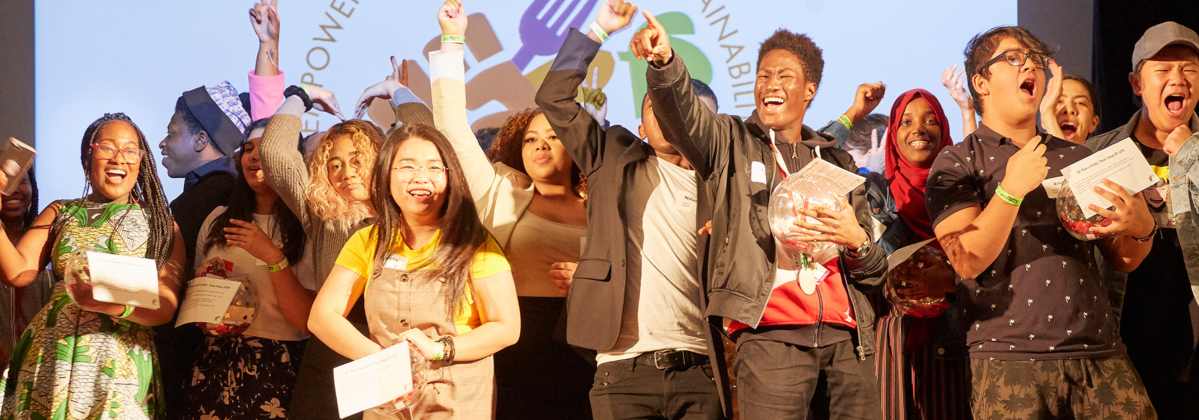
Photo Credit: FEEST: Making Justice Irresistibly Delicious 

Resources

You Might Like…