A growing number of organizations are recognizing the distinct advantages of collaborating with much younger minds—and many are taking that commitment a step further by intentionally engaging members of Gen Alpha. One reason is simple: this generation, born roughly between 2010 and 2024, has never experienced a world without constant digital connectivity, giving them perspectives that even Gen Z does not fully share.
Several years ago, when I began researching nonprofits that meaningfully embed young people in their work, Headstream immediately stood out. Unlike many organizations that recruit participants primarily between the ages of 16-24, Headstream intentionally invited those as young as 13. In doing so, it was ahead of the curve in recognizing the value of Gen Alpha’s lived digital experience.
Headstream also created a distinctive leadership model in which these young people serve as mentors to app developers and technology entrepreneurs. These teen collaborators provide ongoing, candid feedback as potential users, helping shape products in real time. As one of these young coaches, Nathan Asher, reflected:
“…it was an incredible way to get involved in making a change with social media platforms and gaming companies. I’ve never before had an experience where people in positions of power within these companies were truly listening to me and wanting to make a change.”
Today, Headstream is partnering with Cyber Collective to deepen this work. Together, they brought their young co-creators together to identify what it takes to build a genuinely co-creative process.
Their findings challenge assumptions about intergenerational collaboration. We often think about power dynamics between a 40-year-old adult who may unconsciously adopt a parental or protective stance toward young people. But age-based hierarchy can emerge even among younger generations: a 23-year-old can carry adultist assumptions toward a 13-year-old just as easily.
The reflections from these young participants offer valuable lessons for any organization seeking authentic cross-generational collaboration. As the group concluded:
“Their insights pushed us to think beyond a single workshop and toward something more adaptable, emotionally resonant, and lasting. Most importantly, they reminded us that partnerships—with youth, educators, and trusted community organizations—are the only way to scale safety, trust, and care.”
It is no surprise that Cyber Collective is one of the recipients of a 2026 grant from the Responsible Technology Youth Power Fund. This $1.9 million philanthropic initiative is supporting youth- and intergenerationally-led organizations working to build a healthier and safer digital ecosystem.
The Fund’s 23 other grantees—many led by people under age 30—have much to learn from Headstream’s sustained partnership with very young thought partners. Their model demonstrates that meaningful youth engagement is not about token consultation. It is about relying on young people, including the youngest digital natives, as essential co-architects in this international movement.
ORGS TO WATCH
Here are 24 organizations that RTPF supports with the belief “that young people can be a powerful force in the fight for a more inclusive and equitable technology ecosystem.”
#HalfTheStory is moving the world from screen-fear to screen-free fun by putting teens at the table of tech decision-making.
Agents of Influence helps young people take back control of their attention, their decisions, and the technologies shaping both.
AI Consensus builds environments that let young people come together and decide what AI becomes.
Center for Intimacy Justice works to hold technology platforms accountable for ensuring that young people can access accurate health education online without stigma, censorship, or algorithmic bias.
Civics Unplugged shapes young leaders to redefine civics as a verb and become active world-builders in their communities.
Cyber Collective gives people the tools, language, and support to stay safe online.
Decifer Studio allows people to pull back the curtain on emerging technologies, look behind the scenes, and imagine themselves at the steering wheel.
Design It For Us believes that young people should be at the center of the solutions for creating safer, more productive online spaces.
Despierta helps young people and families build healthier relationships with technology, themselves, and each other by blending mental health education, youth leadership, and culturally responsive learning.
Future Incubator serves as an operational partner for youth-led initiatives, providing administrative support in finance, HR, and legal compliance so young leaders can focus on fundraising, hiring, and scaling their work.
Gen-Z for Change brings together attorneys, creators, strategists, and organizers to translate digital influence into meaningful civic engagement.
Generation Patient is building a future where young adults with chronic conditions lead the way in reshaping care through peer support and systems reform grounded in lived experience.
Innovation for Everyone is a youth-led movement mobilizing for AI ethics literacy, reaching 70,000 students across 35 countries to preserve critical thinking and youth agency in the age of AI.
Kentucky Student Voice Team is a laboratory for democratic participation where young people investigate the education systems shaping their lives and help redesign them.
Kinston Teens, Inc. empowers young people through service, leadership, and civic engagement.
NClude Inc. works to unlock employment and economic independence for people with disabilities by transforming inaccessible digital systems into inclusive opportunities through accessible, responsible AI.
Next Gen Men creates positive shifts in how boys and men think of themselves, relate to others, and are viewed within their communities.
NoSo Connection Collective empowers young people to reclaim control over their time, attention, and well-being by building healthier relationships with technology.
Our Subscription to Addiction inspires young people to reclaim their agency with social media, equipping them with the confidence, tools, and resources to build healthier relationships with their phones and contribute to solutions.
Reboot is a publication by and for technologists.
Rooted Futures Lab is a research and action collective dedicated to centering environmental justice principles in technology.
trubel&co (pronounced like “trouble”) is a tech-justice nonprofit mobilizing youth and communities to leverage local data to tackle the challenges that matter most.
Young People’s Alliance is empowering young people to ensure that AI’s encroachments on our humanity create the conditions for policies that put our humanity first.
Youth for Privacy – Privacy Runway is a youth-led, youth-centered group advocating for privacy through education, outreach, research, and advocacy.
SIX CONCRETE RECOMMENDATIONS
Many elected officials in the U.S. who have the power to regulate digital platforms are clueless. Apart from young staff and perhaps grandchildren, they are unfamiliar about gaming, scrolling on TikTok, or using AI. Our lawmakers should rely on experts–not lobbyists.
New research gathers data from 10–17-year-olds in numerous countries, then young people analyze the findings using the #Youth Foresight principle along with its 3 Horizons methodology. Lawmakers here and abroad should give serious consideration to the six recommendations outlined in this report: UNICEF Children’s Voices in Action report
Another especially important insight is Shai Naides ‘clear conclusion:
“The intergenerational trust gap doesn’t close through consultation alone. It closes when young people’s priorities and concerns are treated as relevant to understanding long-term challenges, when they are embedded within the analysis and decision-making rather than running alongside it in a parallel track.”
ADDITIONAL RESOURCES
Headstream https://www.headstreaminnovation.com
Sample Headstream Toolkit:
https://youthinfusion.org/wp-content/uploads/2025/12/headstream-equity-centered-youth-co-creation-framework.pdf
Hopelab https://hopelab.org
Responsible Technology Youth Power Fund
https://www.rtyouthpower.org/
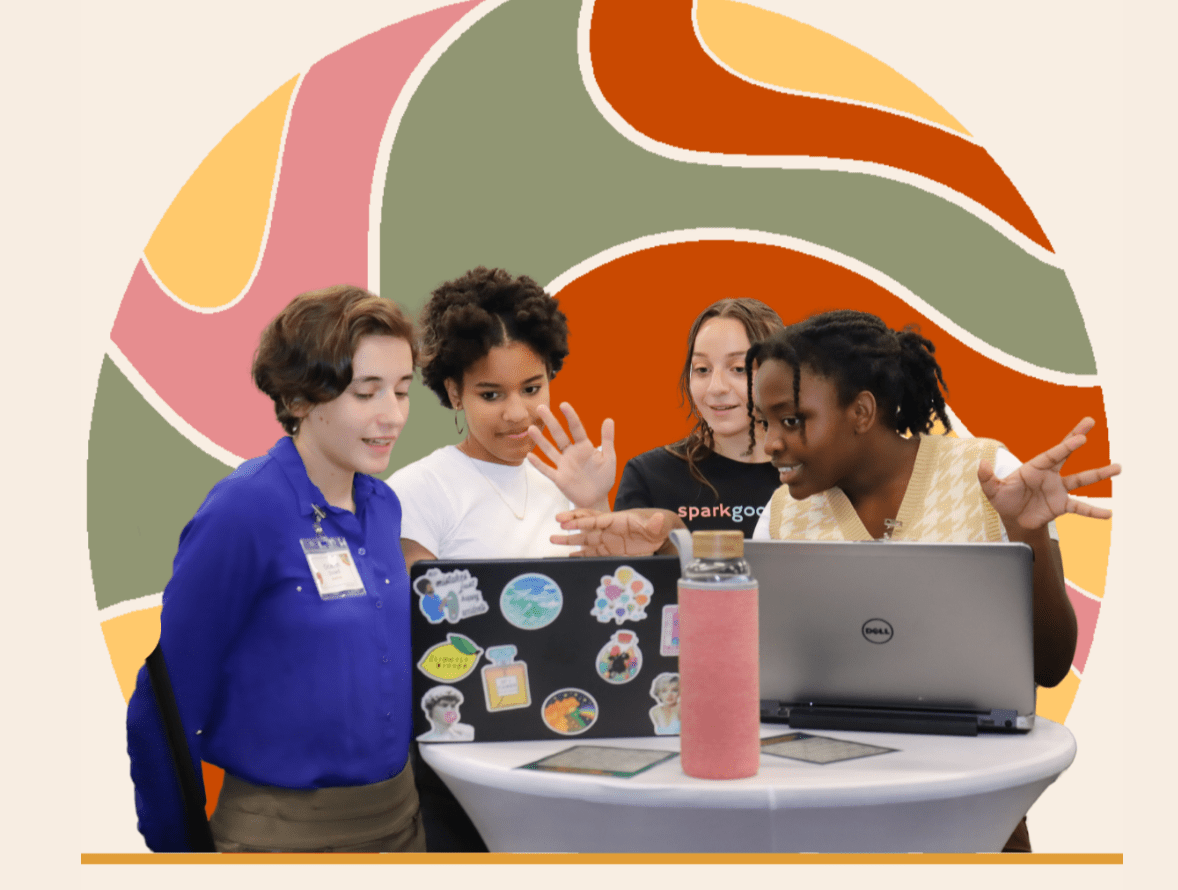
Photo Credit: trubel@co